
“For centuries, we have measured progress by what we take from nature, transform and produce – rarely by what we destroy along the way. And yet we seem surprised when the living systems on which our prosperity depends begin to collapse.” — chb
Rethinking Progress – From Growth to Ecological Reality
The Problem
The PPP Approach
The PPP Approach
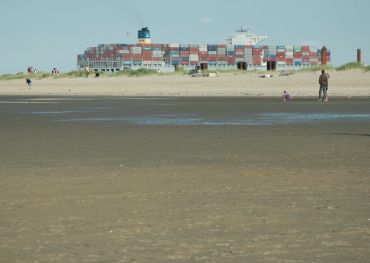
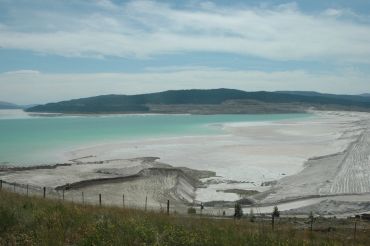
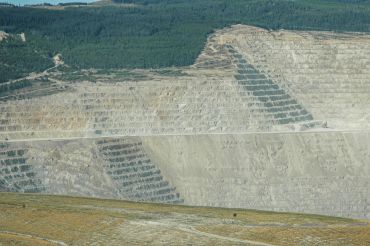
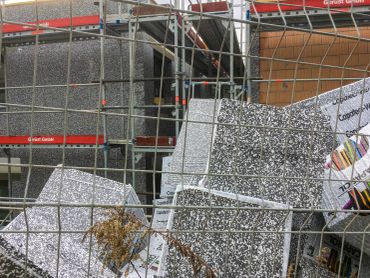
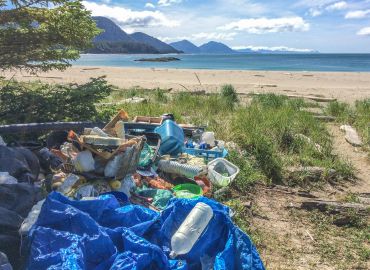
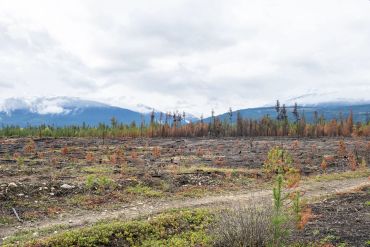
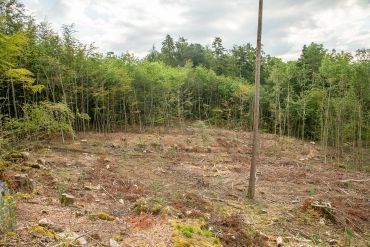
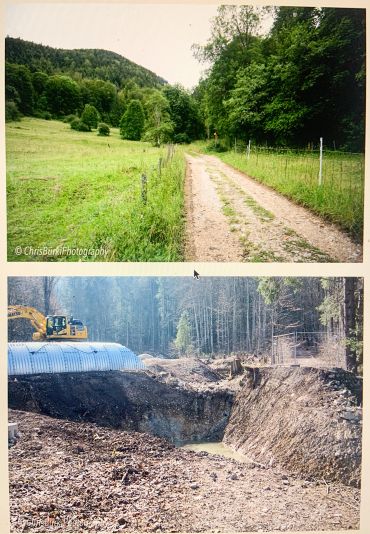
We measure economic progress by what we produce, consume and sell – rarely by what we destroy in the process.
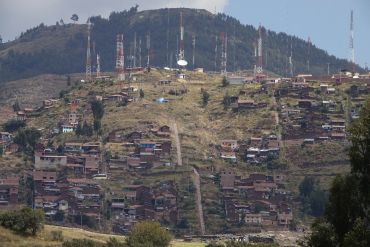
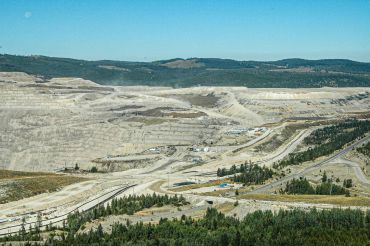
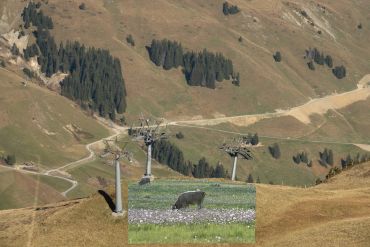
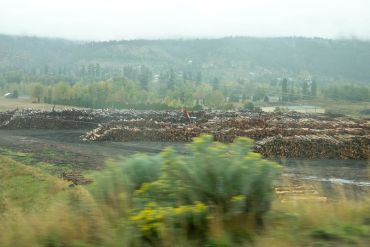
GDP rises even as forests disappear, soils are sealed, water resources are depleted and biodiversity declines. Overproduction, waste and environmental destruction may even contribute to economic growth.
Yet the living systems that sustain our economies remain largely invisible in our calculations.
How meaningful is economic progress if we systematically undermine the very foundations of life?
The PPP Approach
The PPP Approach
The PPP Approach
The PPP Movement (Plant–Photosynthesis–Product) challenges how we define and measure economic success.
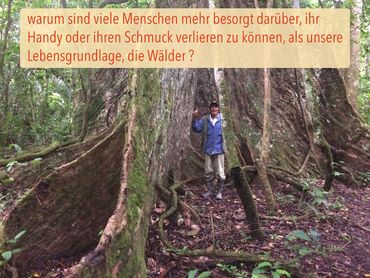
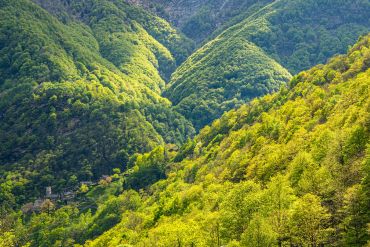
Photosynthesis sustains almost all life on Earth, yet the ecological systems supporting our economies are largely absent from conventional measures of progress.
Inspired by Bhutan’s Gross National Happiness, the proposed PPP Index aims to assess economic performance in relation to photosynthetic capacity, biodiversity, ecosystem integrity and the consumption of finite resources.
Rather than reducing nature to carbon credits or financial compensation, PPP seeks to reveal the ecological consequences hidden behind economic growth.
Because creating economic value should not mean destroying the natural systems that make it possible.
Get involved
The PPP Approach
Get involved
Rethinking progress requires more than a new economic indicator. It calls for different perspectives, critical thinking and the courage to question established assumptions.
The PPP Movement invites scientists, economists, environmental organisations, institutions and independent thinkers to contribute their knowledge, challenge ideas and explore new ways of measuring what truly matters.
We are looking for interdisciplinary collaboration, research partnerships and opportunities to develop and test the PPP Index in real-world contexts.
Because the future of our economies cannot be separated from the future of the living world.
What We Produce. What We Destroy. What We Fail to Measure



PPP-Movement